Best Time to Detail Your Car in Chattanooga (Seasonal Guide)
Published February 23, 2026 · By Peak Shine Detailing
Living in Chattanooga means dealing with a full spectrum of weather — scorching summers, pollen-heavy springs, mild but wet winters, and beautiful but leaf-covered falls. Each season presents unique challenges for your vehicle's appearance and paint health.
So when is the best time to detail your car? The honest answer: it depends on what you need. Here's our season-by-season guide for Chattanooga drivers.
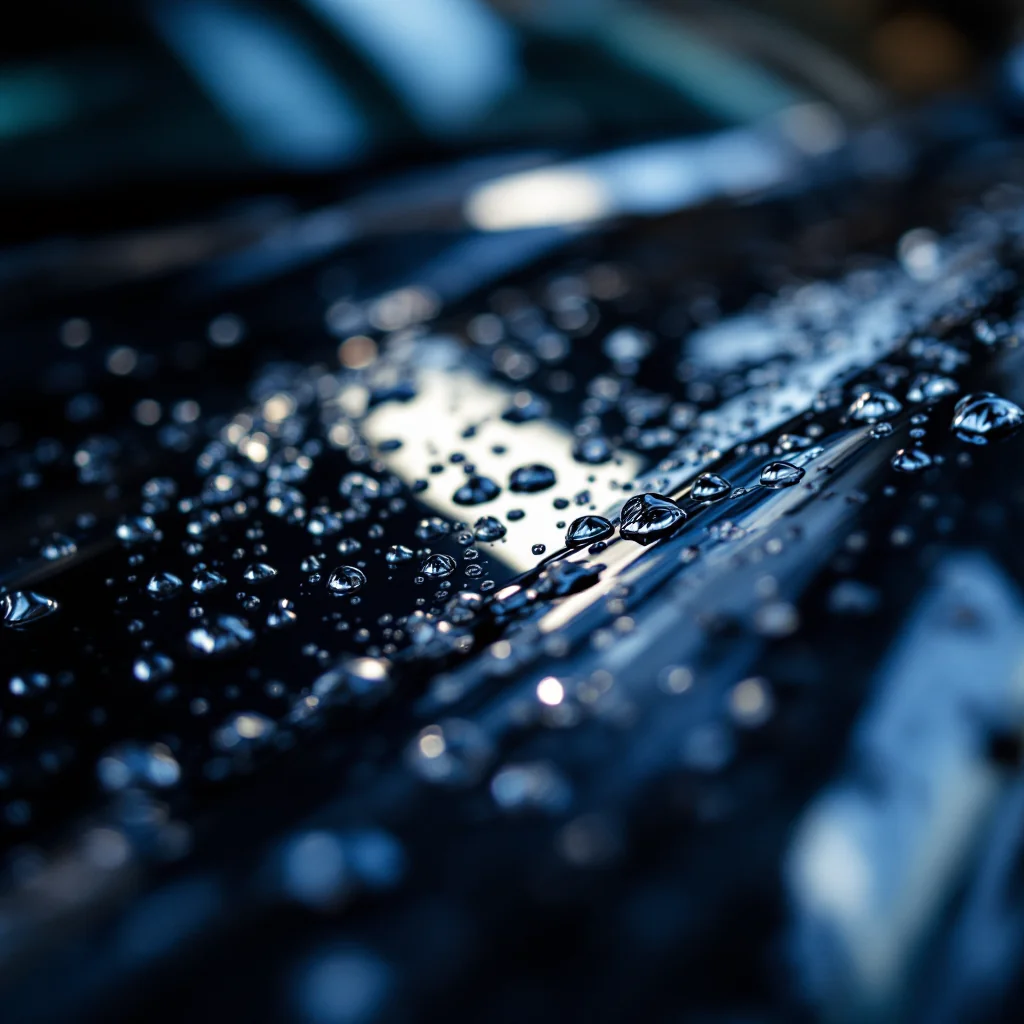
Spring (March–May): The Most Critical Season
Priority: HIGH. If you only detail your car once a year, do it in spring.
Chattanooga's spring is beautiful — and brutal on your car. The Tennessee Valley is one of the highest pollen-producing regions in the country. That yellow-green film that covers everything from March through May isn't just ugly — it's acidic. Left on your paint for extended periods, pollen can etch into the clear coat, especially when mixed with morning dew or rain.
What to Do in Spring
- Exterior detail with paint sealant or ceramic coating — creates a barrier that makes pollen easy to rinse off
- Regular rinsing — even if you can't wash fully, rinsing pollen off every few days prevents etching
- Interior detail — windows stay open more, pollen gets everywhere inside too
- Cabin air filter replacement — not a detailing service per se, but spring is the time
Pro tip: Schedule your spring detail for early March, before the worst of pollen season. You'll go into the season with fresh protection instead of playing catch-up.
Summer (June–August): Heat Protection
Priority: MEDIUM-HIGH. Chattanooga summers are hot and humid, with temperatures regularly hitting 90°F+ and UV index levels that punish unprotected paint.
Summer Threats to Your Vehicle
- UV damage — intense summer sun fades paint, dries out leather, and cracks dashboard materials
- Tree sap and bird droppings — more prevalent in summer and extremely damaging when baked on by heat
- Bug splatter — acidic insect residue etches paint if left for more than a few days
- Water spots — summer rain followed by immediate sun creates mineral deposits that can permanently etch paint
What to Do in Summer
- Full exterior detail with UV-protective sealant — your paint's sunscreen
- Interior detail with leather conditioning — prevents cracking from heat and UV exposure
- Window tint maintenance — ensure your tint is clean and intact for maximum UV blocking
- Quick washes every 2 weeks — don't let bugs and sap bake on
If you got a ceramic coating in spring, summer is when you'll really appreciate it. Coated vehicles shed water spots, bug splatter, and tree sap with minimal effort.
Fall (September–November): Prep Season
Priority: MEDIUM. Fall in Chattanooga is gorgeous — the valley turns gold and red, the temperatures drop to comfortable levels, and it's the perfect time for a detail.
Why Fall Detailing Matters
- Leaf decomposition — fallen leaves that sit on your paint trap moisture and release tannins that stain and etch clear coat
- Winter prep — applying a strong sealant or wax in fall protects against the harsher months ahead
- Ideal conditions — moderate temperatures (60–75°F) are actually the best conditions for wax and coating application
What to Do in Fall
- Full exterior detail with winter-grade sealant — thicker protection for the cold months
- Undercarriage rinse — clear out any summer road debris before winter
- Interior deep clean — get the summer dirt out before you close the windows for winter
- Floor mat upgrade — consider all-weather mats for the rainy season ahead
October and November are our favorite months for paint correction and ceramic coating installation. The mild weather provides ideal curing conditions, and your coating has time to fully harden before winter.
Winter (December–February): Maintenance Mode
Priority: LOW-MEDIUM. Chattanooga winters are mild compared to Northern states, but they still take a toll on your vehicle.
Winter Challenges
- Road salt and brine — Hamilton County uses brine treatments on major roads during ice events, which is corrosive to paint and undercarriage
- Cold rain and mud — wet roads splash dirty water onto your vehicle constantly
- Reduced daylight — you notice less, but damage accumulates
- Holiday road trips — extra highway miles mean more bug splatter and road debris
What to Do in Winter
- Monthly maintenance washes — rinse off road salt and grime regularly
- Touchless wash after ice events — salt and brine should be removed within 48 hours
- Interior detail in January/February — holiday road trips leave interiors messy; a fresh-start detail before spring is perfect timing
The Ideal Annual Detailing Schedule for Chattanooga
Based on our experience detailing thousands of vehicles in the Chattanooga area, here's the schedule we recommend:
Early March
Full detail (interior + exterior) with paint protection — prepare for pollen season
Late May/June
Exterior maintenance detail — refresh protection for summer
October
Full detail with winter sealant — prep for cold months
January
Interior detail — fresh start for the new year
That's four details per year, which keeps your vehicle protected year-round and costs far less than dealing with paint damage from neglect.
The Best Time Is Now
Here's the truth: the best time to detail your car is whenever it needs it. If you're reading this article, your car probably needs some attention. Waiting for the "perfect" time just means more damage accumulates.
Whether it's the middle of pollen season or a cold January morning, we can help. Check our pricing guide or reach out for a quote specific to your vehicle.
Schedule Your Seasonal Detail
Don't wait for the weather to damage your paint. Book your detail today — most vehicles scheduled within the week.